2019 svart 401 rear brake help

rhino8495

contributing rider
Joined
Nov 16, 2022
Messages
12
Location
Tidewater, OR
I just got it back from the shop, and my rear break has to be pushed all the way down before it engages, I'd rather not bring it back and would rather do it myself, but can't find where I need to adjust it, pictures would help. I can find where to level it, but that's not the issue.
 
Did the shop work on the rear brake?

There is really no adjustment like on a old drum brake setup with a cable. This is a hydraulic master cylinder at the brake pedal and then a hose and then the caliper over the disk brake. Unless the shop worked on the rear brake there should be no reason it is not working now.

Maybe check to see if there is fluid in the rear brake reservoir.
 
Disc brakes are automatically adjusted as the pads wear. The pistons (which squeeze the pads) sit in the caliper with a seal which is square on section, when you squeeze the brakes the fluid pushes the piston and the seal flexes to allow the piston to move. When you release the pressure on the brakes the seal returns to its original position pulling the piston back and your pads away from the disc. As the pads wear the piston will push in further than the seal can flex and slide along the seal a tiny amount to self adjust. If your pedal needs to be pushed all the way down you may have air in your rear brake fluid. This needs bleeding out and the fluid replacing. My bike was brand new and I bleed the brakes through with new fluid and there was air in the system. The issue with the rear brake is most people think they only need to bleed a small amount to remove the old fluid and air because the master cylinder is so close to the caliper. With ABS the hose is actually much longer than most would expect meaning a lot of fluid needs to go up to the ABS module (under the fuel tank) and back.
Please if you do not know how to work on brakes yourself, take your bike to a mechanic that you trust to do it for you. Messing with brakes if you do not know what you are doing can get you killed!
There are lots of you tube videos showing how to bleed motorcycle brakes, take your time if doing DIY and make sure you double checked everything before a ride. I would do the rear before attempting the front then you will at least still have your main brake if it all goes wrong.
If you change the rear fluid I would definitely change the front also unless you are certain the bike has new fluid and the front works fine.
Hope you get it sorted, let us know how it goes.
 
Did the shop work on the rear brake?

There is really no adjustment like on a old drum brake setup with a cable. This is a hydraulic master cylinder at the brake pedal and then a hose and then the caliper over the disk brake. Unless the shop worked on the rear brake there should be no reason it is not working now.

Maybe check to see if there is fluid in the rear brake reservoir.
Have fluid, and brake pads are still thick, I'm gonna do what the lower comment says and bleed them with my father's help, he has bled brakes before.
 
Yeah you can try bleeding the rear brake but the question is why would it now have air in the system. Did the shop work on the brake?
 
Disc brakes are automatically adjusted as the pads wear. The pistons (which squeeze the pads) sit in the caliper with a seal which is square on section, when you squeeze the brakes the fluid pushes the piston and the seal flexes to allow the piston to move. When you release the pressure on the brakes the seal returns to its original position pulling the piston back and your pads away from the disc. As the pads wear the piston will push in further than the seal can flex and slide along the seal a tiny amount to self adjust. If your pedal needs to be pushed all the way down you may have air in your rear brake fluid. This needs bleeding out and the fluid replacing. My bike was brand new and I bleed the brakes through with new fluid and there was air in the system. The issue with the rear brake is most people think they only need to bleed a small amount to remove the old fluid and air because the master cylinder is so close to the caliper. With ABS the hose is actually much longer than most would expect meaning a lot of fluid needs to go up to the ABS module (under the fuel tank) and back.
Please if you do not know how to work on brakes yourself, take your bike to a mechanic that you trust to do it for you. Messing with brakes if you do not know what you are doing can get you killed!
There are lots of you tube videos showing how to bleed motorcycle brakes, take your time if doing DIY and make sure you double checked everything before a ride. I would do the rear before attempting the front then you will at least still have your main brake if it all goes wrong.
If you change the rear fluid I would definitely change the front also unless you are certain the bike has new fluid and the front works fine.
Hope you get it sorted, let us know how it goes.
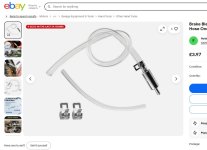
I agree with Jester cetainly on the rear brake first, but its not that scary if correct procedures are adopted the viscosity of Dot4 is low so it travels quickly, having to keep holding pedals down closing nipple reloading with fluid....old school get yourself one of these for the future, its a one way valve, simple in design but effective, the only way this will fail is if your seal between hose and nipple is not air tight, clip recommended.
 

Attachments

  • Screenshot 2025-08-10 130248.jpg
    Screenshot 2025-08-10 130248.jpg
    96.3 KB · Views: 0
Back
Top Bottom